
What Is an AI Math Tutor? Complete Guide to AI-Powered Math Learning


AI math tutors use machine learning and natural language processing to provide personalized math help, adapting to your learning pace while offering instant feedback and step-by-step solutions for everything from basic algebra to advanced calculus.
Introduction
I confess, I was never good at math! And if you’re like me, the good news is that it doesn’t have to feel like a nightmare anymore.
I remember staying up late trying to figure out those darn mathematical logics when I was a student, and honestly? I would’ve given anything for someone (or something) to explain it in a way that actually made sense! Fast forward to today, and AI math tutors are revolutionizing the learning game for students everywhere.
Get this. According to MetaTechInsights, the AI tutors market hit $2.1 billion in 2025 and is expected to skyrocket to $30.6 billion by 2035, which is equal to a growing at a lightning speed of 30% per year. That’s not just advertising! Parents, students, and educators are betting big on these tools because they actually work.
But here’s where it gets tricky. With dozens of AI math tutors flooding the market, how do you pick the right one? Some are great for quick homework help, others are better for deep understanding, and a few are just plain tools!
I’ve spent many hours testing (and researching) the top AI math tutors so you don’t have to waste time (or money) on tools that don’t deliver. Let me show you what actually works.
What Is an AI Math Tutor and How Does It Actually Work?
Okay, so an AI math tutor is basically a software that helps you learn math without needing a real person sitting next to you. Think of it like having a really patient teacher in your pocket who’s available 24/7 and never gets tired of explaining the same concept fifty times!
The thing is, these tools aren’t magic, even though they can feel like it sometimes! They run on machine learning algorithms, which is just a fancy way of saying the software has been trained on millions (or billions) of math problems and solutions. Over time, it learns to recognize patterns in how problems are solved.
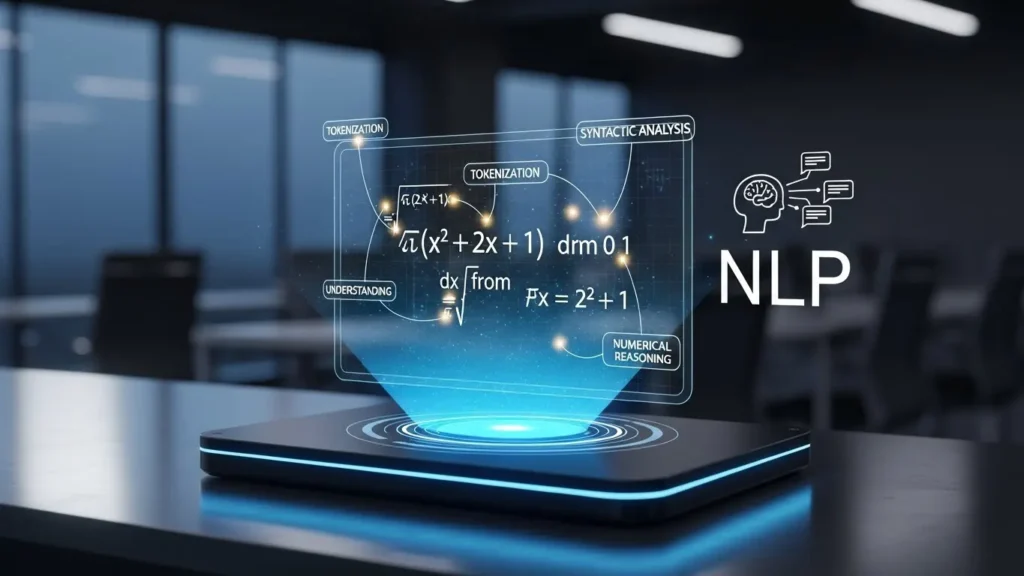
The cool part is the pattern recognition stuff! When you snap a photo of your homework problem, the AI “reads” it using something called natural language processing. It figures out what type of problem you’re dealing with (whether it’s algebra, geometry, calculus, whatever) and then pulls from its massive database to show you how to solve it step by step.
What really sets these apart from, say, watching a YouTube tutorial is the personalization. The best AI learning tools actually watch how you work through problems. If you keep messing up fractions, the AI notices and adjusts. It might give you easier questions first, then gradually make them harder. YouTube can’t do that; it’s just a one-way street!
I tested one of these apps a while back when helping my nephew with his algebra homework. You literally just point your phone camera at the problem, and boom, within seconds, you get a full breakdown. Not just the answer, but the actual steps. It was honestly pretty mind-blowing!
But look, there are some things that AI can’t replace. It can’t sense when you’re frustrated and need a break. It can’t crack a joke to lighten the mood when you’re stressed about a test. And it definitely can’t give you that encouraging pat on the back when you finally get a tough concept! That human element still matters, especially for younger kids who need more emotional support while learning.
The way I see it, AI math tutors are more like really smart calculators that also teach! They’re tools, not replacements for actual teaching and learning.
Top 6 AI Math Tutors You Should Know About in 2026
Alright, let me break down the main players in the AI math tutoring space right now. I’ve tested some of these myself and also heard plenty from friends and clients about some others.
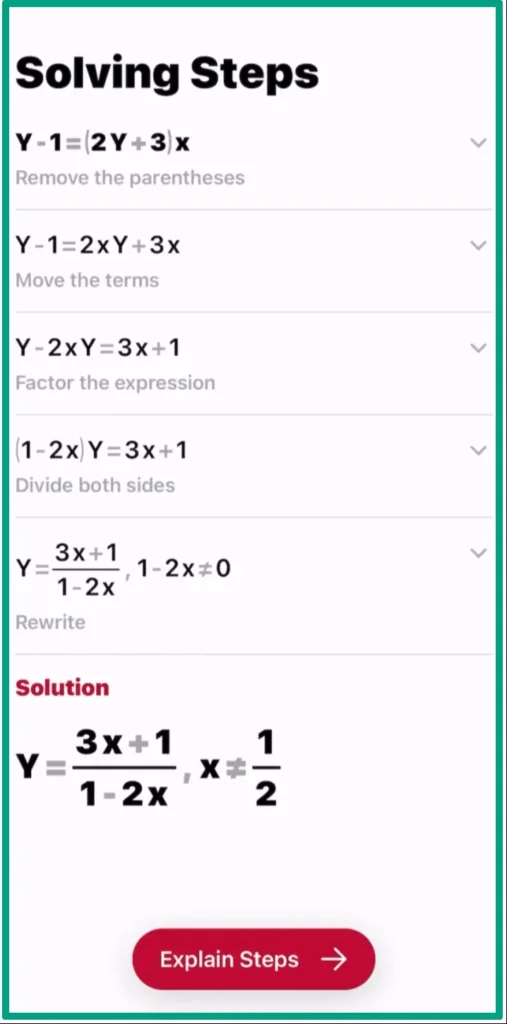
Photomath is the one I use most often (but not for me, since my math days are over!). It’s perfect if you’re a visual learner because it doesn’t just give you steps; it literally shows you the work being done. You take a picture of a handwritten or printed problem, and it walks you through each step with actual visual representations.
The free version covers most stuff, but the premium version gives you deeper explanations and different solving methods. But there is a downside too. It can struggle with really messy handwriting, and sometimes the explanations feel a bit robotic!
Khan Academy’s Khanmigo is probably the best free AI study tools option out there if you want a full curriculum. I mean, Khan Academy has been around forever, and now they’ve added AI tutoring on top of their video lessons. It’s totally free for most features, which is huge for families on a tight budget.
The AI tutor actually guides you through problems with hints instead of just handing you the answer. But here’s the catch. It’s more focused on conceptual learning than quick homework help, so if you need fast answers, this might feel slow!
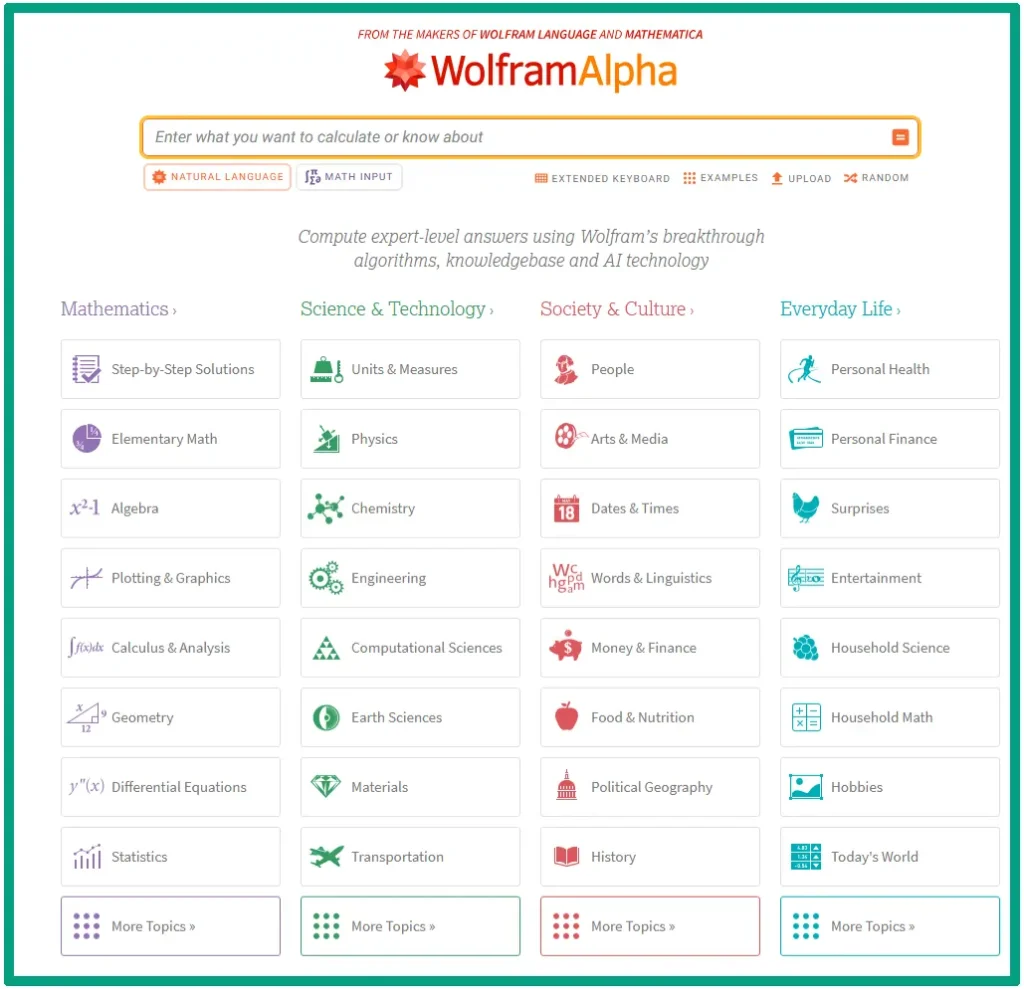
Wolfram Alpha is what my college friend use it alot. This thing handles advanced calculus, differential equations, linear algebra, and other stuff that makes my brain hurt! It’s free for basic use, but the pro version gives you step-by-step solutions.
The interface feels kinda technical though, not super user-friendly for younger students. Also, it’s really built for people who already understand math (which I mentioned is more advanced).
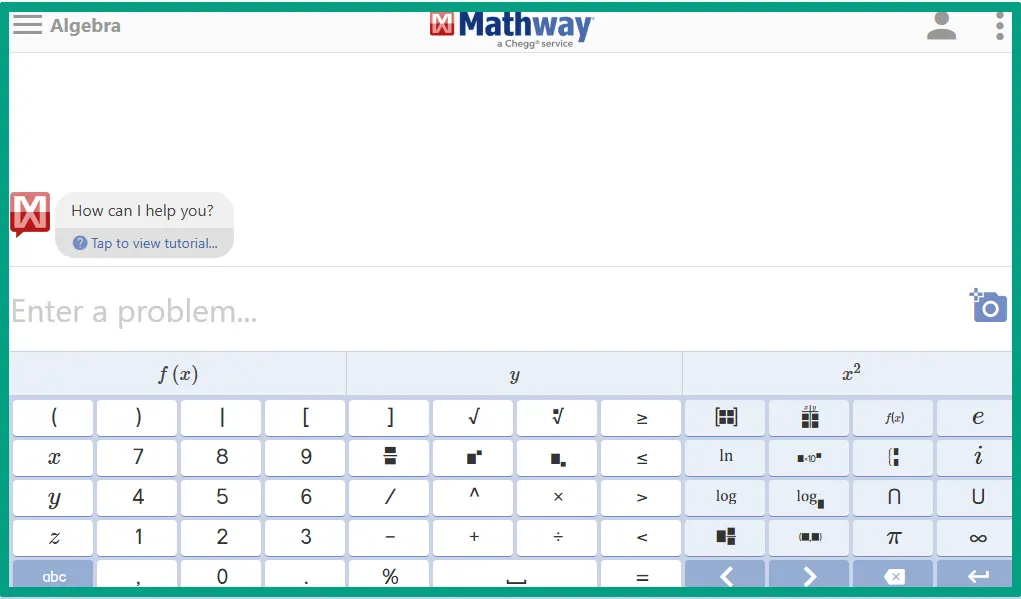
Mathway on the other hand, is what most people are looking for. Basic algebra? Check. Trigonometry? Got it. Statistics? Yep. Chemistry and physics too, actually.
I tested this one to see what’s what, and the variety is actually its strength. You can type in problems or use the camera feature. The free version shows answers, but the paid version shows the work. The main complaint I hear is that the explanations aren’t as detailed as some other apps.
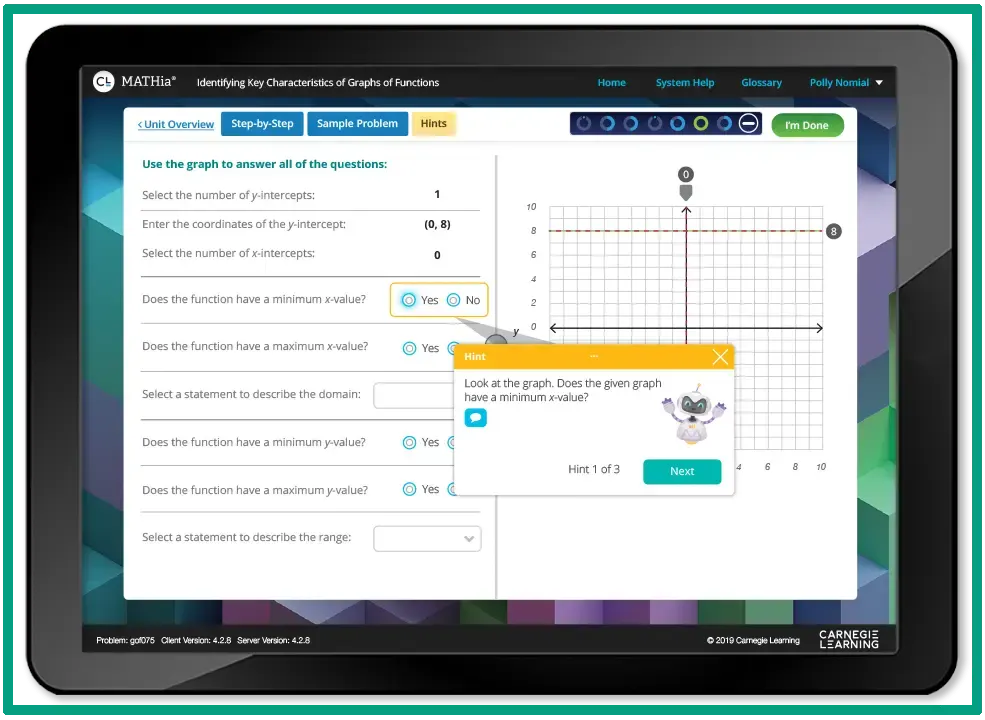
Carnegie Learning’s MATHia is different because it’s actually designed for schools. A friend of mine who’s a high school teacher uses this with her whole class. It aligns with standard curriculums and tracks student progress for teachers to see.
If you’re looking for the best AI tutoring platforms for the classroom, look no further! But you can’t just download it yourself; your school needs to have a subscription. And of course it’s pricier than consumer apps.
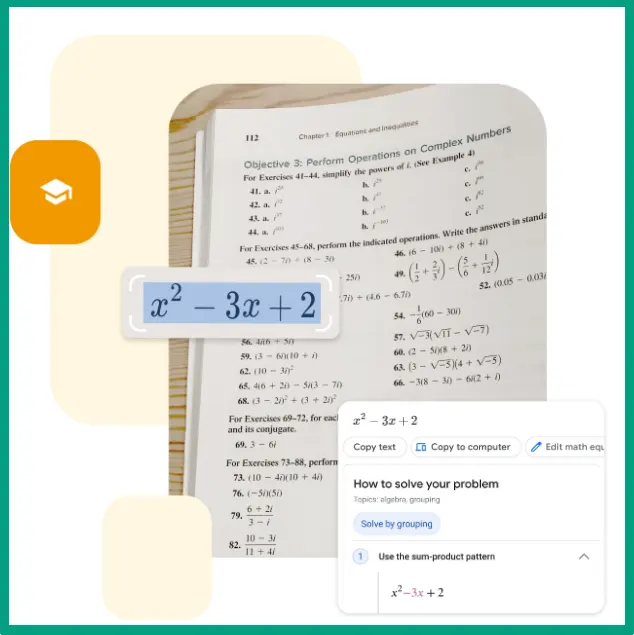
Socratic by Google (now Google Lens) is probably the best AI homework helper for understanding the “why” behind concepts. You take a photo, and instead of just solving it, Socratic explains the concept and shows related resources. It pulls from Google’s massive knowledge base, so you get articles, videos, and explanations from multiple sources. Completely free, which is awesome. But sometimes you get too much information when you just need a quick answer!
Now, it’s time for real talk! Each of these has strengths and weaknesses. Photomath and Mathway are great for quick homework help. Khan Academy and Socratic/Lens are better for actual learning. Wolfram Alpha is for the math nerds (I mean that lovingly)! And Carnegie Learning is for structured classroom use.
My last point is that most students I know end up using two or three of these together. Maybe Photomath for quick checks and Khan Academy for deeper learning. Or Socratic/Lens for concepts and Mathway for other things. There’s no single “perfect” option! It really depends on what you need and how you learn best.
How to Pick the Right AI Math Tutor for Your Needs
So you’re looking at all these options and probably feeling a bit overwhelmed. I get it. Let me walk you through how to actually choose one that’ll work for you.
First thing, be honest about your math level. Let’s say you or someone in your family is in elementary school, who’s dealing with basic multiplication and fractions. So it’s obvious that you don’t need Wolfram Alpha. That’s like buying a Ferrari to drive to the grocery store! Khan Academy or Photomath makes way more sense. How about High school algebra and geometry? Pretty much any of them will work. Or college calculus and beyond? Then you’re looking at Wolfram Alpha or maybe Carnegie Learning if your school offers it.
Also, your learning style matters more than people think. Are you someone who needs to see things visually? If so, Photomath’s your friend. Do you learn better by reading and understanding concepts? Then Socratic or Khan Academy will click with you. Some people just want the answer and the steps; in that case, Mathway’s perfect for that. I’m a visual person myself, so I lean toward tools that show me diagrams and graphs, not just text explanations.
Budget‘s the real kicker for a lot of families. Look, the best free AI study tools like Khan Academy and Socratic are legitimately good because you’re not sacrificing quality by going free. But paid options usually give you more detailed explanations, progress tracking, and sometimes offline access. Let’s say you’re spending $10-15 monthly, then ask yourself, is this actually helping, or could I get the same results from a free app plus a couple YouTube videos?

Here’s what actually matters when you’re comparing features. Can it handle handwritten problems? Because trust me, typing out a complex equation is annoying. Does it explain the “why” or just show steps? You need both, really. Can you track progress over time to see if you’re actually improving? That’s huge. And honestly, is there a human backup option for when the AI gets confused? Some apps connect you to real tutors if needed.
And watch out for red flags. If an app just spits out answers without showing work or explaining anything, run! That’s not learning; that’s just copying. You don’t need to lie to yourself! Also, be wary of apps with tons of ads or sketchy privacy policies. Some free apps sell your data or push constant upgrade prompts. Read reviews from actual students, not just the marketing copy on the website.
When looking at AI test prep tools specifically, make sure they offer practice problems and mock tests, not just homework help. Because test prep requires repetition and timed practice (features that some tutoring apps don’t focus on).
One more thing, don’t overthink this. Most of these apps have free trials or free versions. Just try a couple for a week and see what feels right. The best AI math tutor is the one you’ll actually use consistently, not the one with the fanciest features you never touch!
Real Results: Do AI Math Tutors Actually Improve Grades?
Okay, let’s talk about whether this stuff actually works. Because honestly, that’s the only question that matters, right?
The research is honestly pretty wild. According to Nature, a recent Harvard study with undergraduate physics students found that those using an AI tutor achieved more than twice the learning gains compared to students in traditional learning classrooms, and they did it in less time (49 minutes versus 60 minutes).
I’ve seen this play out in real life. A client of mine has a daughter who went from C to B in algebra after three months of using Photomath and Khan Academy together. She wasn’t just after the answers alone; she was working through the steps, redoing problems she got wrong, and using the AI to check her understanding. That’s the difference.
Now, compared to traditional human tutoring, AI holds its own in specific ways. It’s available anytime, way cheaper, and never gets impatient! But traditional tutors still win on emotional intelligence and adapting to subtle learning gaps. Here’s my recommendation. Use AI for daily practice and homework help, then meet with a real tutor (not AI) once a week or so for harder concepts. That combo seems to work really well.

But let’s be real. These tools only work if you use them correctly. If you’re just typing in problems, copying the answer, and moving on, you’re wasting your time! Probably hurting yourself, actually, because you’re building bad habits. And teachers can usually tell when a student is copying from an AI.
Speaking of teachers, the perspectives are mixed. Some educators love that students have 24/7 help access and can practice more. Others worry about academic dishonesty and students becoming dependent on AI instead of developing problem-solving skills. The teachers who seem most positive are the ones who use these tools in their teaching, like assigning specific problems to work through with an AI tutor, then discussing the approaches in class.
The bottom line is, AI math tutors can improve grades. There’s solid evidence for that. But they’re tools, not magic solutions. You still gotta put in the work.
Getting the Most Out of Your AI Math Tutor
Alright, so you’ve got an AI math tutor. Now what? Let me share what actually works, because I’ve seen plenty of people use these tools completely wrong!
Rule number one, always try the problem yourself first. Seriously. Don’t just open the app and immediately scan your homework! Work through it on paper, do all the steps, get stuck where you get stuck. Then use the AI to figure out where you went wrong. This is how you actually learn instead of just copying answers. I know it’s tempting to skip straight to the solution, but that’s like trying to build muscle by watching someone else lift weights!
When you do get the solution, study it. Don’t just glance at the steps and think “yeah, that makes sense” and move on! Write out the steps yourself. Try a similar problem without the AI. Explain it to someone else (even if that someone is your dog or a rubber duck on your desk!). The act of explaining forces your brain to actually understand it.
Here’s something that really helps. Use multiple tools for different angles. Maybe use Photomath to see the visual steps, then check Khan Academy for a deeper conceptual explanation, then try a practice problem on Mathway. Different apps explain things slightly differently, and sometimes that second or third explanation is the one that finally clicks.
And please, combine AI tutoring with other study methods. Don’t make it your only resource. Go to office hours. Join a study group. Watch some YouTube videos. Read your textbook (I know, revolutionary)! The AI tutor should be part of your study routine, not the entire thing. Think of it as one tool in your toolbox, not the whole toolbox.

Also, set actual goals. “Get better at math” is too vague! Try “master quadratic equations this week” or “improve my test scores by 10% this semester.” Then track your progress (most apps have built-in tracking, but even just keeping a simple notebook works). Write down problems you struggled with and check back in a week to see if they’re easier now.
For parents (and I’ve had this conversation with so many of them), your role is to support, not hover! Check in occasionally. Ask your kid to explain a problem they solved. Make sure they’re actually learning, not just copying. But don’t micromanage every problem or sit there watching over their shoulder! That just creates stress and dependency.
One last thing. If you’re also using these tools for other subjects, think about the AI test prep tools that offer practice tests with instant feedback. Testing yourself regularly is one of the best ways to improve retention, especially as exams get closer. And I can not stress this enough that these AI math tutors can work amazingly, but only if you treat them like learning partners, not answering machines! Put in the effort, stay consistent, and you’ll see real results.
FAQ
Q: Can AI math tutors really replace human tutors?
Not completely. AI math tutors are great at providing instant feedback and unlimited practice problems, but human tutors offer emotional support, motivation, and can understand complex learning challenges better. The best approach often combines both.
Q: Are AI math tutors safe for kids to use? Most reputable AI math tutors are safe and designed with student privacy in mind. Look for tools with strong data protection policies and age-appropriate content. Always supervise younger students and review the platform’s privacy settings first.
Q: Will using an AI math tutor make me dependent on technology?
Only if you misuse them! AI tutors should help you understand concepts, not just provide answers. Use them to check your work and learn from mistakes rather than skipping the problem-solving process entirely. Balance is key.
Q: What math levels do AI tutors support?
Most AI math tutors cover everything from basic arithmetic through calculus and statistics. Some specialized tools like Wolfram Alpha handle advanced college-level mathematics, while others focus on K-12 curriculum. Check specific tool capabilities before choosing.
Conclusion
So, can AI actually help you learn math? Absolutely.
After testing these tools and looking at the numbers, it’s clear that AI math tutors aren’t just another tech trend! They’re making real differences for students who need extra support, personalized pacing, or just a different way to understand tricky concepts.
The key is picking the right tool for your situation. Maybe you need Photomath’s visual approach, or Khan Academy’s free lessons. Perhaps Wolfram Alpha’s computational power fits your college-level needs better.
But here’s what really matters. These tools work best when you use them as learning partners, not answering machines. Try the problem yourself first. Study the steps. Ask yourself why the solution works that way.
These tools are everywhere, and it’s probably more accessible and affordable than you think. Start with a free option, experiment, and see what clicks for you. Your math grade (and your stress level) will thank you!