AI Writing Feedback Tools: Improve Your Essays Without Plagiarism


AI essay feedback tools provide real-time writing analysis, grammar corrections, and structural suggestions to help students improve their essays while maintaining academic integrity and avoiding plagiarism concerns.
Introduction
Look, I understand there’s a huge concern and skepticism when it comes to using AI, especially in the academic fields. I was skeptical at first too. I asked myself many times, would they really help, or would they just get students in trouble for cheating?
But here’s what changed my mind. According to Microsoft‘s 2025 AI in Education Report, 32% of students are now using AI to receive feedback on their schoolwork. That’s nearly one in three students! And the thing is, they’re not using these tools to cheat. They’re using them as writing coaches that help spot weak arguments, or fix grammar messes, or even point out where their essays get confusing. So, by using this technology the right way, I started to embrace it instead of fighting it.
Now, I didn’t say there’s no problem. Tons of students think that any AI use equals plagiarism! But actually, there’s a huge difference between letting AI write your essay (bad) and using AI to get feedback on what you wrote (totally fine).
In this guide, I’ll show you how to use AI essay feedback tools (the right way, of course) so you can improve your writing skills without any of the plagiarism drama. Plus, I’ll break down which tools actually help and which ones you should probably skip. Let’s do this!
What Makes an AI Essay Feedback Tool Different from AI Writing Tools
Here’s the thing, there’s a massive difference between an AI essay feedback tool and something like ChatGPT that writes content for you. One analyzes what YOU already wrote, the other does the writing from scratch. It’s like the difference between having someone proofread your paper vs having them write it for you.
I’ve had so many students ask me about this. They’re scared to use any AI because they think it’s all cheating. But feedback tools are basically advanced spell-checkers on steroids! They look at your grammar, suggest better sentence structures, and point out where your argument falls apart. They don’t generate new content; they just help you fix what’s already there.
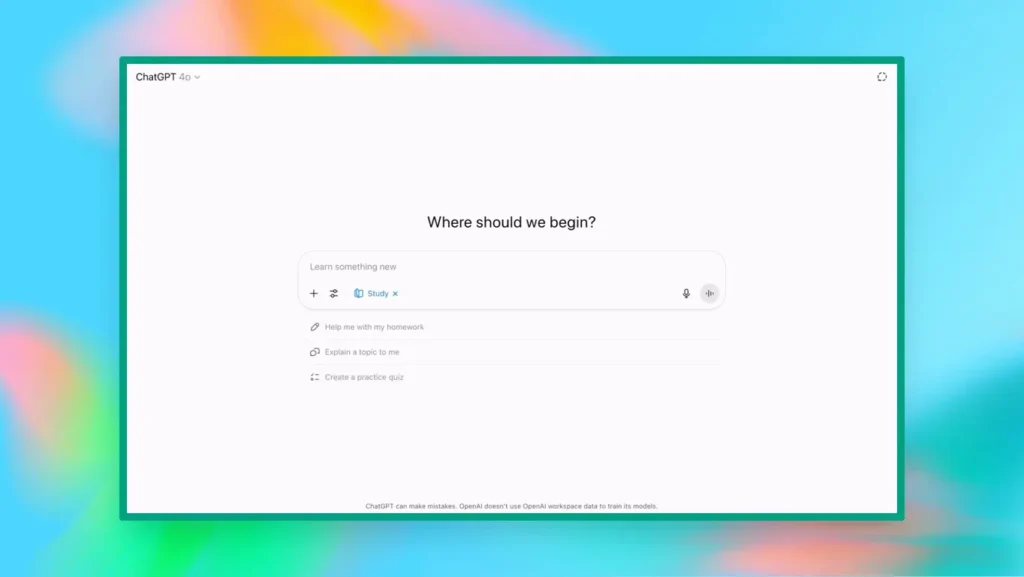
ChatGPT for studying and essay writing is a tricky area because it CAN write entire essays if you ask it to. That’s where you cross the line. But when you use it to review your work, give feedback on your thesis, or explain concepts you’re struggling with, that’s a totally different story.
Teachers actually get this distinction more than you’d think. Most schools are okay with grammar checkers and feedback tools because they help you learn. But if an AI writes your whole essay? You learned nothing. You just turned in someone else’s work!
The best feedback tools also track your progress over time. I had a client who used one for a semester, and it showed him that he kept making the same transition mistakes. Once he saw that pattern, he fixed it. That’s learning. That’s what makes feedback tools different. They’re teaching aids, not shortcuts!
And honestly, when it comes to AI ethics in education, this is where the conversation needs to be. We should be talking about how to use AI to actually improve student learning, not just banning everything because it’s new and scary.
Top Features to Look for in an AI Essay Feedback Tool
Okay, so if you’re ready to try an AI essay feedback tool, you should know that not all of them are created equal! Some are basically glorified spell-checkers, while others actually help you become a better writer.
First up, real-time grammar and spelling corrections. This sounds basic, but you want a tool that catches those sneaky errors your eyes skip. The thing is, don’t just click “accept all changes” like I used to do! I learned the hard way that some suggestions are wrong or change what you meant to say. So, you need to read each one.
Argument strength analysis is huge. Does your thesis actually make sense? Are you backing up your claims with real evidence, or are you just making statements and hoping nobody notices? A good tool will flag when you’re making claims without support. I’ve seen this feature save students from turning in papers that basically said “trust me, bro” instead of providing actual arguments!
Structure and flow feedback is where things get interesting. The tool should tell you when your transitions are awkward, when paragraphs don’t connect logically, or when you’re jumping around too much. Think of it like a GPS for your essay; it shows you where readers might get lost.
Citation checking is critical. Some tools now have plagiarism detection built in, so you catch problems before your professor does! I always tell people to run their work through these checks even if they didn’t intentionally plagiarize. Sometimes you accidentally use someone’s exact wording without realizing it.
Tone and clarity suggestions help you figure out if you sound too casual for an academic paper or too stiff for a personal essay. Is your writing confusing? Too wordy? A good AI essay feedback tool will point this out. It’s like having a writing coach who’s brutally honest.
Readability scores tell you what grade level your writing is at. If you’re writing a college essay that reads like a middle school paper, you need to know that. On the flip side, if your writing is so complex that nobody can understand it, that’s also a problem!
Here’s something people don’t talk about enough, and that’s transparency reports. You want tools that show you HOW they’re analyzing your work, not just spitting out suggestions with no explanation! The best AI learning tools explain their reasoning so you can learn from the feedback.
Privacy features matter too. You don’t want your essays sitting on some company’s server forever, especially if they’re personal or contain sensitive information. Look for tools that either delete your data or give you control over it.
And if you’re on a budget, check out the best free AI study tools first. Some of them have surprisingly good features without the price tag. I tested a few for a couple months, and honestly, some free versions beat paid tools!
How to Use AI Feedback Tools Without Getting Accused of Plagiarism
Look, this is where people get nervous. They think using any AI makes them a cheater! But there’s a right way to do this that keeps you completely in the clear.
The most important rule? Always write your first draft yourself. I mean it. Don’t type your topic into an AI and have it outline the essay. Don’t ask it to write your intro. Sit down and write the thing yourself, start to finish. THEN run it through a feedback tool.
Set clear boundaries from the start. AI should review your work, NOT to create it. That’s the line. Once you start asking AI to generate content for you, even just a paragraph, you’re in dangerous territory. But using it to check your grammar or spot weak arguments? That’s totally fine.
Also, it’s a good idea to document your writing process like your academic life depends on it, because it might! Save multiple drafts. Keep track of when you started writing, when you revised, and when you ran it through AI tools. If anyone ever questions your work, you can show the whole progression. I know a student who did this and it saved him when a professor was suspicious.
Last point, you need to be upfront with instructors if they ask. If your school has a policy about AI use, follow it. Some professors want you to disclose any AI tools you used. That’s easy to do when you’re using them ethically. For example, just say “I used Grammarly to check for spelling errors” or whatever tool you picked. No big deal.
Real Student Results: What Actually Improves When You Use AI Feedback
Okay, now the question is, what actually gets better when you use an AI essay feedback tool? I’ve worked with enough students to see some clear patterns, and honestly, some of the improvements surprised me.
Grammar and spelling improve the fastest. Those basic errors that make you look careless just disappear! Simple things like missing commas, subject-verb agreement, random capitalization, etc; an AI grading tool catches all of it. And after you see the same mistake corrected twenty times, you stop making it. Your credibility as a writer shoots up when you’re not making these rookie mistakes!
Stronger arguments and evidence is where things get really interesting. AI can spot when you make a claim and then just…move on without backing it up! I used to do this all the time. I’d write something like “social media is harmful” and then not explain why or provide any evidence! The tool would flag it, and I’d realize I was basically expecting my readers to just trust me.
Next, organization and flow get way better. The AI shows you where readers might get confused or lost. Maybe you’re jumping from point A to point C without explaining point B. Or your conclusion brings up new ideas instead of wrapping up what you already said! These are the kind of issues that are hard to catch yourself because YOU know what you meant to say.

More consistent tone throughout the essay is something I didn’t even think about until a tool pointed it out. I was writing formally in my intro, then getting super casual in the middle, then formal again at the end! It was all over the place. Consistency matters more than I realized.
Also, the revision process gets so much faster. Instead of spending hours trying to figure out what’s wrong with your essay, you catch issues in minutes. Then you can spend your time fixing them instead of just hunting for problems. That way, you get more confidence when submitting work. There’s something about knowing you’ve caught the obvious problems. You’re not sitting there after you hit submit, suddenly remembering that typo in paragraph three!
Here’s the best part. You develop self-editing skills over time. After a few months of seeing the same feedback, you start catching these issues yourself before the AI does. You become a better writer even when you’re not using the tool. That’s the real win.
But let’s be real about expectations. AI won’t turn a terrible essay into an amazing one! If your thesis is weak or you have no evidence, feedback alone won’t fix that. But it CAN help a decent essay become a strong one.
Common Mistakes Students Make with AI Essay Feedback Tools
Alright, time for some real talk about how people mess this up. Because I’ve seen it all, and honestly, I’ve made most of these mistakes myself!
The biggest one? Accepting every single suggestion without thinking. Look, just because an AI suggests something doesn’t mean it’s right! Sometimes the tool completely misses your point and suggests changes that wreck your meaning. Read each suggestion. Think about whether it actually improves your work or not.
Relying on AI instead of developing your own editing skills is a trap. If you ALWAYS need an AI to tell you where your errors are, you’re never going to learn. Use the tool as training wheels, not a permanent crutch. Pay attention to what it’s teaching you.
Here’s another big one. Using AI feedback on work that’s not actually yours is next-level dumb, but some people do it anyway! They have someone else write their essay, then run it through an AI tool to “make it better.” If you’re one of those people, you’re just piling one academic integrity violation on top of another. You need to stop.
Not reading your essay out loud after making AI-suggested changes is something I’m guilty of! You make all these changes, and then you don’t check if it still sounds like you. Sometimes AI suggestions make your writing technically correct but totally lifeless. Read it out loud. If it doesn’t sound like something you’d say, fix it.

Also, not checking if AI suggestions maintain your voice is huge. Your professor knows how you write. If you suddenly turn in a paper that sounds nothing like you, that’s suspicious. Make sure your personality still comes through after revisions.
The last one, forgetting that AI doesn’t understand context the way humans do is the final big mistake. AI might flag something as wrong when it’s actually correct for your specific context. Or it might miss something that’s technically right but totally inappropriate for an academic paper. You still need to use your brain.
Now, to end this section, the real question is, how do you fix these mistakes? It’s simple. Use feedback tools as learning aids, not replacements for thinking. Make changes thoughtfully. Keep learning the rules so you need the AI less over time. And always, always keep your voice and meaning intact.
FAQ
Q: Is using an AI essay feedback tool considered cheating?
No, using AI for feedback on your own writing is not cheating. You’re getting help improving work you created, similar to asking a friend to proofread. Just make sure you’re analyzing your own writing, not having AI write it for you!
Q: Can teachers tell if I used AI feedback on my essay?
Teachers typically can’t detect feedback tool use since you’re editing your own work. However, be transparent if your school requires disclosure. Most institutions allow feedback tools because they help you learn, unlike AI generators, which do the work for you.
Q: Will AI essay feedback tools make my writing sound robotic?
Only if you blindly accept every suggestion! Good feedback tools suggest improvements while keeping your voice intact. Always review changes to make sure they still sound like you and maintain what you meant to say.
Q: Do free AI feedback tools work as well as paid ones?
Free tools often provide basic grammar and spelling checks, while paid versions offer deeper analysis like argument strength and structural feedback. Start with free options to see what helps, then consider upgrading if you need more detailed guidance.
Q: How often should I use AI feedback on my essays?
Use feedback tools during revision, not while drafting. Write your first draft completely on your own, then run it through feedback tools to spot issues. This builds your writing skills instead of making you dependent on AI from the start.
Conclusion
So here’s the bottom line. AI essay feedback tools can seriously help improve your writing, but only if you use them the right way.
Think of these tools as really smart writing coaches, not replacement writers. They’re there to point out where your arguments fall short, catch those grammar mistakes you keep making, and show you when your essay gets confusing. But they can’t think for you, and they definitely can’t write your essay for you! That part’s still on you.
The students I’ve seen get the most out of feedback tools are the ones who actually learn from the suggestions instead of just clicking “accept all changes”! They write their own drafts first, use AI to spot problems, and then make thoughtful revisions that improve the essay while keeping their voice consistent.
If you’re worried about plagiarism or academic integrity (and honestly, you should be paying attention to that stuff), just remember this simple rule. Let AI analyze your work, never create it. Write your own essays, use feedback to make them better, and be honest with your instructors about it. That’s how you improve your writing skills for real, not just get through one assignment. And trust me, learning to edit and revise your own work, that’s a skill that’ll help you way beyond school.