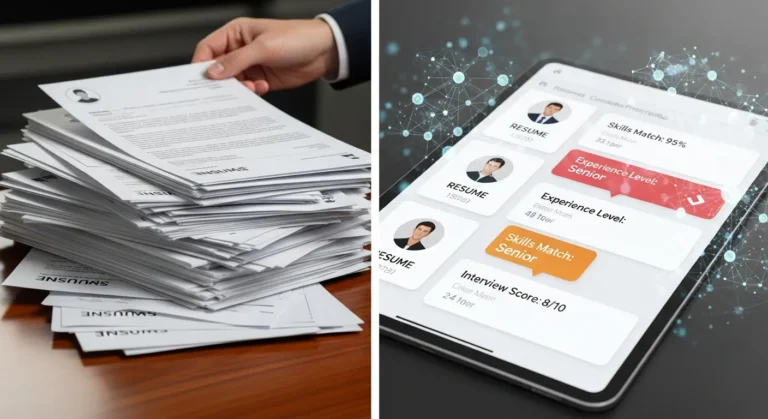
How to Use AI for Test Preparation: SAT, ACT, and AP Exams


AI test prep tools use adaptive learning, personalized study plans, and instant feedback to help students prepare more efficiently for SAT, ACT, and AP exams, offering 24/7 tutoring support and identifying weak areas faster than traditional methods.
Introduction
Look, test prep has always been a pain for many of us. You buy the thick prep books, spend hours and days on practice tests, and hope you’re studying the right stuff. But the thing is, in a world where everything is changing at the speed of light, you need to adapt to survive!
According to a recent study by the Higher Education Policy Institute, 92% of students now use AI tools in their studies, and that number jumped from just 66% in 2024. Even more interesting? Nearly 88% of students are using generative AI specifically for assessments and test preparation. These aren’t just random stats; they show that AI test prep tools are becoming the new normal.
So what does this mean for you? Well, if you have no idea where to start with SAT, ACT, or AP exams, AI can be your secret weapon. I’m talking about personalized study plans that actually know your weak spots, or instant feedback on practice questions, or even 24/7 AI tutors that never get tired of your questions! Plus, you’ll figure out what works best for your learning style instead of following some win-or-lose approach.
Ready to see how AI can actually make test prep less painful? Let’s break it down.
What Makes AI Test Prep Tools Different from Traditional Study Methods
Look, I remember prepping for standardized tests the old-school way. You know, those massive SAT prep books that could double as doorstops? I’d sit there highlighting page after page, hoping something would stick. Sometimes I’d drag myself to a Saturday morning prep class where 20 other stressed-out kids and I would work through the same problems at the same pace, whether we needed that particular lesson or not!
The thing is, traditional test prep has always followed this one-size-fits-all approach! You get a book or a class, and everyone goes through the same material in the same order. If you’re already great at math but struggling with something else, tough luck. You’re still sitting through those algebra lessons. Private tutors can help, sure, but they’re expensive. Like, really expensive.
AI test prep tools flip this whole model on its head. Instead of following a fixed path, they actually adapt to how you’re doing. Miss a bunch of geometry questions? The system picks up on that and gives you more geometry practice. Ace your vocabulary section? It moves you along to tougher stuff. It’s basically how to use AI for studying in the most practical way. The technology tracks your weaknesses and adjusts in real time.

Here’s what makes these tools different from what I grew up with. First, you get instant feedback on literally every question. No waiting for a tutor session next week or checking the answer key in the back of a book. You find out immediately what you got wrong and why. Second, these platforms are available 24/7. Imagine having a panic attack about parabolas at 11 PM! Your AI tutor doesn’t sleep.
The personalization piece is huge too. These systems collect data on your performance, like which question types trip you up, or how long you spend on each problem, or even which concepts you keep missing. Then they build a study plan around your actual needs, not some generic curriculum!
Now, I’m not saying AI tools are cheap, but compared to traditional prep courses? There’s no contest! A comprehensive SAT prep course can run you $1000 to $1500 easily. Most AI platforms charge $20 to $50 per month. Some are even free.
But here’s the thing, and I tell this to every parent who asks me about this stuff. AI doesn’t replace human support. It adds another layer. You still might want a tutor for accountability or to talk through a test-taking strategy. But for daily practice and identifying weak spots? AI test prep tools are honestly playing on another level.
Top AI Test Prep Tools for SAT, ACT, and AP Exams You Should Know About
Okay, so you’re sold on the idea of AI-powered test prep. Great. But which platform should you actually use? Because there are a bunch out there now, and they’re definitely not all the same quality.
I’m going to walk you through the ones I’ve tested myself, or others recommended the most. And look, I haven’t used every single one for months because, to be honest, my exam days are over! But I’ve at least poked around enough to give you the real deal on what each one offers.
Khan Academy is probably the most well-known option, and honestly, it’s a solid starting point. Their SAT prep is completely free, which is kind of amazing. They partnered with College Board (the folks who actually make the SAT), so the practice questions are legit. The AI features aren’t as advanced as some paid options, but for students on a tight budget, it’s one of the best free AI study tools out there. I had a client whose daughter used it exclusively and raised her score by 150 points. Not bad for free, right?

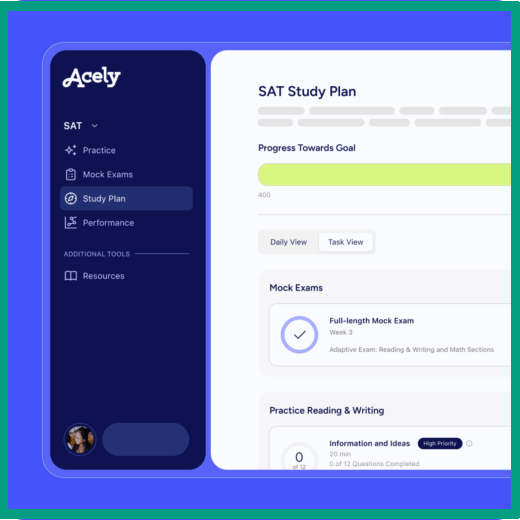
Acely is another solid choice. It’s specifically designed for the digital SAT and ACT, which matters because the test format changed recently. They claim to have over 8,000 practice questions, and from what I’ve seen, the quality is pretty good. The adaptive learning adjusts to your level as you go. Pricing-wise, it’s in that mid-range category; not the cheapest, but not crazy expensive either.
Then there’s LearnQ, which one of my business partners uses with her kids. She swears by it. It starts you off with a diagnostic test to figure out where you’re at, then builds a personalized study plan. The AI tutor feature lets you ask questions when you’re stuck, which is super helpful at midnight when your real tutor is definitely asleep! It covers SAT, ACT, and even some AP subjects.
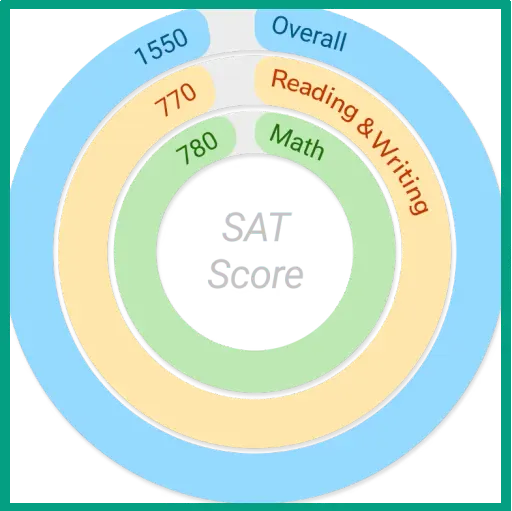
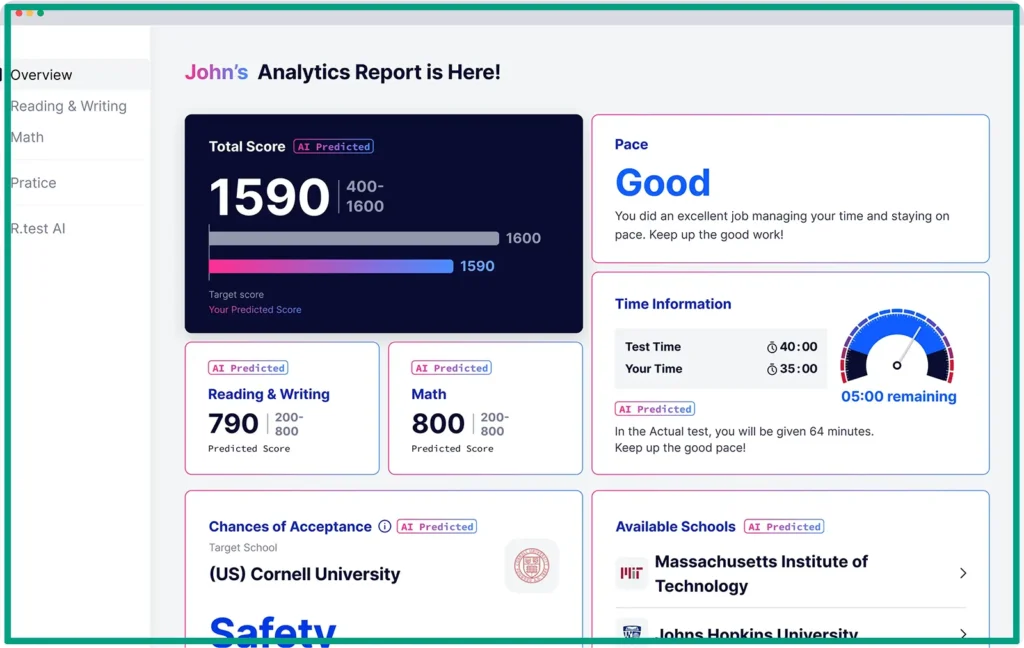
R.test is interesting because it’s all about speed. They say their diagnostic test can predict your score in just 40 minutes. I tried it myself (just for fun, since I’m way past taking these tests!), and it’s actually pretty accurate based on my old scores. It’s great if you want a quick baseline without spending two hours on a full practice test.
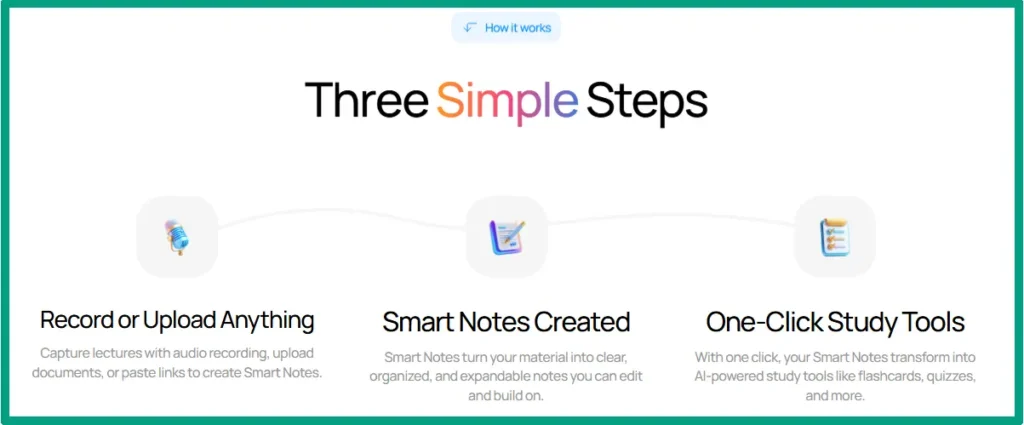
And finally, I recently heard about Studypaths from a friend. I don’t know much about this platform, but I know it helps students turn materials into notes, flashcards, quizzes, and offers AI tutoring support. Also, it automatically creates study schedules based on your test date and goals. That kind of AI study planner functionality is honestly where I think these tools shine.
So how do you pick the right one? Here’s my take. Think about your budget first. If money’s tight, start with Khan Academy. If you can swing $30-50 a month, look at the paid options. Also consider what test you’re taking. Some platforms are better for SAT, others for ACT.
Also, check the quality of practice questions. Do they actually look like real test questions? Read user reviews. Look for platforms that mention score prediction accuracy (that’s usually a good sign they’re tracking real data). And honestly, most of these offer free trials, so test out a few before committing.
The best AI learning tools for test prep are the ones you’ll actually use consistently. I’ve seen kids with expensive subscriptions barely log in, and others crush it with free resources because they show up every day.
How to Build Your Personalized AI-Powered Study Plan
Alright, you’ve picked your AI test prep platform. Now what? Just logging in and randomly doing practice questions isn’t going to cut it! You need an actual plan.
Start with a diagnostic test! I know, I know, taking a full-length practice test sounds awful. But here’s the thing. You can’t fix what you don’t know is broken. Every good AI platform offers some kind of initial assessment to figure out your baseline score and where you’re weakest. Take it seriously. Treat it like the real test.
Once you’ve got your results, set realistic goals. And I mean realistic, not “I got a 1100 and want a 1600 in six weeks!” That’s not happening. A good rule of thumb is about 100-150 points improvement on the SAT over three months of consistent study. For the ACT, maybe 3-4 points. Your AI platform should help you figure out what’s achievable based on your timeline.
The AI recommendations are your friend here. These systems analyze your weak areas and tell you what to focus on first. Listen to them. If the platform keeps telling you to work on quadratic equations, that’s probably because you keep getting those questions wrong! Don’t just skip to the stuff you’re already good at because it feels better.

Track your progress weekly. Set a reminder on your phone or whatever. Take a mini practice test or review your stats in the app. Are your scores going up? Staying flat? Getting worse? (If they’re getting worse, you might be burning out; take a break.) Use this data to tweak your plan. Maybe you need more time on reading materials and less on math.
Balance is important too. You can’t just do AI practice questions forever! You need to take full-length, timed practice tests under real conditions. Like, sit down for three or four hours, no phone, no bathroom breaks except during the scheduled break time. Time yourself strictly. These tests teach you pacing, which AI tools don’t really cover.
Also, don’t just rely on AI alone. Mix in some traditional resources. Use an AI quiz generator for quick practice, that’s great, but also grab an official practice test from the College or somewhere else. Read a test strategy guide. Join a study group if that keeps you on track.
Common mistakes? Oh man, I’ve seen plenty. Don’t just try to solve practice questions without reviewing why you got things wrong. Don’t ignore the data. If your weak area is reading stuff, don’t spend all your time on math just because it’s easier! And don’t wait until the last minute to start. I cannot tell you how many panicked messages I’ve seen from parents three weeks before test day!
Combining AI Tools with Traditional Test Prep for Maximum Results
Look, I’m clearly a fan of AI test prep tools, but the truth is, they’re not a magic solution! They’re tools. Really good tools though, but still tools. If you want the best results, you need to combine them with some traditional approaches.
Think of AI as your daily practice buddy. It’s perfect for keeping your skills sharp, identifying weak spots, and getting quick feedback. But it shouldn’t be the only thing you’re doing.
You still need to use official practice tests at least once or twice before your actual test day. These are the real deal. Made by the same people who write your actual test. Nothing else is going to match that. AI platforms are great, but their questions are still not fully similar! So take one official practice test at the start of your prep, maybe one in the middle, and definitely one a week or two before test day.
Study groups or working with a tutor can provide accountability that AI just can’t match. There’s something about telling a real person something like, “I’ll finish this section by Thursday” that makes you actually do it. AI sends you reminder notifications, sure, but it’s easy to ignore those! It’s harder to bail on your study group or show up to your tutor session without having done the work.
Read test strategy guides too. There are specific tricks for these tests that go beyond just knowing the content. Like when to skip questions and come back, how to eliminate wrong answers, and how to manage your time for each section. AI can teach you math, but a good strategy guide teaches you how to take the test.
Time management is huge, and you can only really practice that with full-length tests under actual conditions. Set a timer, sit somewhere quiet, put your phone in another room. The whole deal. AI tests are great for learning content, but they don’t teach you how to pace yourself through four hours of testing.

When you review your mistakes (and you should be reviewing all of them), use both the AI explanations and your own analysis. The AI tells you why an answer is right or wrong from a technical standpoint. But you should also think about why you personally got it wrong. Did you misread the question? Run out of time? Make a careless mistake? That self-reflection matters.
Here’s how I think about when to use each resource. AI for quick, daily practice. Like, 20-30 minutes on the bus or before dinner. Official tests for full-length simulation when you’ve got a few hours. Strategy guides for learning the test-taking tricks. Study groups or tutors for staying motivated and getting unstuck on hard concepts. An AI flashcard generator might be great for vocab, but you still need to practice using those words in context on actual reading passages.
And here’s my final piece of advice. Don’t overthink it. I’ve seen students spend so much time researching the “perfect” study method that they barely study at all! Pick a solid AI platform, grab some official practice tests, maybe join a study group or work with a tutor if you can afford it, and then just start. You can always adjust as you go.
The best study plan is the one you’ll actually stick to. So figure out what works for your schedule, your budget, and your learning style, and then commit to it.
FAQ
Q1: Are AI test prep tools as effective as human tutors?
AI tools offer personalized practice and instant feedback at scale, which is great for self-paced learning. However, human tutors (or study groups) provide motivation, accountability, and subtle explanations that AI can’t fully replicate. The best approach combines both; use AI for daily practice and tutors for strategic guidance and complex concepts.
Q2: How much time should I spend using AI test prep tools each day?
Start with 20-30 minutes daily for consistency. Most AI platforms recommend different-sized sessions that fit your schedule. As your test date approaches, increase to 45-60 minutes. Quality beats quantity; focused practice on your weak areas matters more than hours of unfocused studying.
Q3: Can AI test prep tools really predict my actual SAT or ACT score?
Many AI platforms use adaptive algorithms to estimate your score based on performance patterns. Some tools claim high accuracy, but predictions work best after completing multiple practice tests. Treat predictions as helpful guides, not guarantees.
Q4: Do I still need to buy traditional SAT or ACT prep books if I use AI tools?
AI tools provide most of what you need, but official practice tests remain valuable for realistic test simulation. Many students use AI for daily practice and official books for full-length weekend tests. This mixed approach gives you both personalized learning and authentic test experience.
Q5: Are free AI test prep tools good enough or should I pay for premium features?
Some free tools offer excellent SAT prep basics. Premium AI platforms provide more practice questions, detailed analytics, and advanced features like AI tutors. Start free to see if AI study methods work for you, then upgrade if you need more personalized support or preparing for multiple tests.
Conclusion
Test prep doesn’t have to feel like you’re climbing a mountain with no shoes! AI test prep tools have changed the game. They’re making personalized learning accessible to everyone, not just kids whose parents can afford expensive tutors!
Here’s what you need to remember. AI tools work best when you actually use them consistently. Pick one platform that fits your test (SAT, ACT, or AP), start with a practice test to find your weak spots, and build a realistic study schedule. Mix AI practice with official tests and maybe some human support when you hit a wall. The tools are there, but you still gotta put in the work.
My last point. The fact that 92% of students are already using AI for studying means this isn’t some future trend; it’s happening right now. So whether you’re aiming for a 1500 on the SAT or trying to nail that AP Calc exam, AI can help you study smarter, not just harder. Give it a shot, tweak your approach based on what works, and watch your confidence (and scores) go up. Good luck, you’ve got this!